The Everyday Importance of Residential Drain Cleaning Tacoma for Homeowners
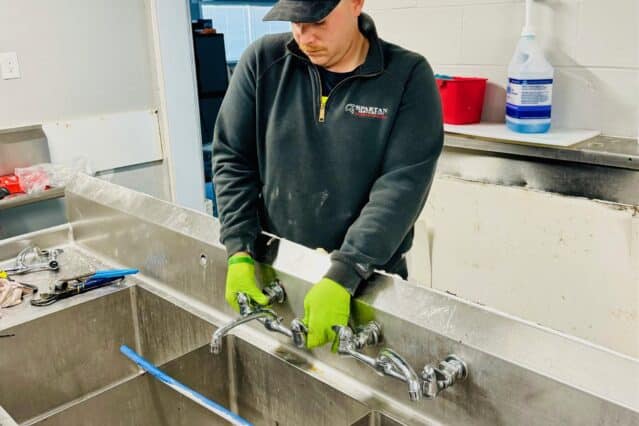
Most homeowners do not think much about their drains until something backs up. A slow kitchen sink, a shower that starts pooling around your ankles, a downstairs toilet that gurgles when the washing machine runs, these are the kinds of problems people put off because they seem manageable. Then one morning the line stops altogether, and a minor nuisance turns into a housewide disruption.
That pattern is common, and it is exactly why regular drain care matters. In a place like Tacoma, where homes range from older craftsman properties to newer suburban builds, drainage systems face a mix of wear, climate stress, root intrusion, and plain everyday buildup. Residential Drain Cleaning Tacoma is not just a service for emergencies. It is part of basic home maintenance, right alongside roof inspections, furnace servicing, and checking the water heater before it fails at the worst possible time.
A drain system does its work quietly, hidden behind walls, under floors, and beneath landscaping. Because it is mostly invisible, many homeowners assume it is fine as long as water eventually disappears. Experience says otherwise. By the time a clog becomes obvious, the line has often been narrowing for months or even years. The real value of routine drain cleaning is that it addresses the problem in that long window before the mess, cost, and inconvenience multiply.
Drains rarely fail all at once
A full blockage can feel sudden, but most drain problems develop in layers. Kitchen lines collect grease first, then food residue, then soap scum, then whatever else gets trapped along the way. Bathroom drains usually start with hair and soap buildup. Main sewer lines may collect wipes, sludge, and in some neighborhoods, fine roots that enter through tiny pipe joints. None of that happens overnight.
What homeowners notice first is not always dramatic. Water takes a few seconds longer to drain. A sink starts making a glugging noise. There is a faint odor near a tub drain that keeps coming back after cleaning. These are early signals that flow is becoming restricted.
When the restriction remains in place, pressure and waste start behaving unpredictably. One fixture affects another. A tub may bubble when the toilet flushes. A sink may back up when the dishwasher drains. If the clog is in the main line, the lowest drain in the home often shows trouble first, which is why basement or ground-floor showers are common places where homeowners first discover a serious issue.
That gradual progression is worth understanding because it changes how you think about maintenance. If a clog were always random and unavoidable, preventive cleaning would seem optional. In reality, many blockages are foreseeable. They leave clues. Acting early costs less and causes less disruption than waiting for a stoppage.
Why Tacoma homes have their own drainage challenges
Tacoma presents a useful case because its housing stock is varied, and that matters more than many people realize. Older homes may have cast iron, clay, or Orangeburg components somewhere in the system, especially if parts of the sewer line have not been fully updated. Newer homes may have PVC piping that resists corrosion better, but even modern materials can clog if habits in the home are rough on the system.
The local environment matters too. Western Washington moisture supports healthy trees and shrubs, which look great in a yard but can be relentless around sewer lines. Tree roots do not break into a sound pipe just because they feel like it. They usually exploit existing weaknesses, a loose joint, a tiny crack, an aging connection. Once they find moisture and nutrients, they thicken inside the line and start catching paper and waste. A line can work passably for a while with roots in it, then clog repeatedly until the underlying issue is addressed.
Tacoma’s rainy season creates another practical challenge. During wet months, people are already dealing with gutter runoff, muddy yards, and higher overall moisture around the property. If a drain issue appears during that same period, it can be harder to tell whether the problem is a simple fixture clog, a main line restriction, or a broader drainage issue around the home. I have seen homeowners assume a bathroom backup was just a bad toilet, when the real cause was a sewer line already narrowed by roots and years of buildup.
Older neighborhoods also tend to have mature landscaping and long-established trees. That combination of aging pipes and root pressure is one reason Residential Drain Cleaning Tacoma tends to be more than a one-time fix. In many homes, it becomes a recurring maintenance item, much like servicing a boiler or cleaning moss off the roof.
The hidden cost of waiting
Many people delay drain service because they want to avoid an expense. On paper, that seems reasonable. If the sink still drains, why spend the money now? The problem is that partial blockages do not stay partial forever, and the costs of delay usually show up in less obvious ways first.
Water sitting in a slow line leaves more residue behind. That means buildup accelerates. A kitchen drain that empties slowly becomes a kitchen drain that smells. Then it starts backing up into the sink during dinner cleanup. Then the dishwasher cycle leaves standing water. What might have been a straightforward cleaning call becomes a weekend disruption that affects every meal and every load of dishes.
There is also the risk of secondary damage. Overflow from a clogged toilet or shower is not just dirty, it can damage baseboards, flooring, subfloors, cabinets, and drywall. If wastewater escapes where it should not, cleanup gets more expensive very quickly. Restoration costs can dwarf the price of routine drain maintenance.
Even when there is no visible overflow, chronic backups can shorten the life of plumbing fixtures and put more strain on old piping. Standing water and repeated pressure from blockages are hard on a system over time. They can also create a sanitation issue inside the home. Odors from drain sludge are not merely unpleasant. They often point to decaying organic matter trapped in the line, and in some cases they attract drain flies or indicate venting complications that deserve attention.
Homeowners often compare the cost of cleaning to the cost of doing nothing, but that is not the real comparison. The real comparison is routine care versus emergency service, disruption, cleanup, and possible repairs.
Not every clog should be attacked the same way
One of the most common mistakes homeowners make is treating every drainage problem as Residential Drain Cleaning Tacoma if it can be solved with a bottle from the hardware store. Chemical drain cleaners can sometimes punch a narrow channel through soft buildup, but they are a rough tool, not a cure. They do not remove root intrusion. They do not fix a sagging line. They do not restore full pipe diameter when years of grease or sludge have coated the walls. On older pipes, repeated chemical use can create more trouble than it solves.
Professional drain cleaning works because it starts with identifying what kind of blockage is present and where it sits. A bathroom sink clog near the trap is different from a laundry line restriction farther down the branch, and both are different from a main sewer backup. The right method depends on the material in the pipe, the age of the system, and the nature of the obstruction.
Snaking is useful for breaking through or retrieving certain clogs. Hydro jetting can be highly effective when the goal is to scour buildup from the pipe walls and restore proper flow, though it is not appropriate in every situation. Camera inspections often make the difference between a short-term fix and a smart long-term plan. If roots are entering an old clay line, cleaning alone may buy time, but it does not remove the underlying structural vulnerability.
This is where experience matters. Good judgment in drain work is not just about clearing the blockage. It is about knowing when a simple service call is enough and when repeated clogs are trying to tell you something larger about the system.
The everyday habits that quietly create major problems
Homeowners are often surprised to learn how ordinary routines contribute to clogged drains. The issue is rarely a single dramatic mistake. More often, it is a long chain of small habits that seem harmless in isolation.
In kitchens, grease is still the classic offender. Even when it goes down warm and liquid, it cools in the pipe and clings to the interior surface. Over time it traps food particles and forms a stubborn restriction. Garbage disposals make this worse when people assume they can grind and flush anything. Fibrous vegetables, coffee grounds, pasta, rice, eggshells, and grease-heavy scraps all have a way of hanging around longer than expected.
Bathrooms are no better. Hair combines with soap scum into dense tangles that a plunger may not fully remove. Bath products leave residues that narrow the line over time. So-called flushable wipes remain a major source of sewer trouble, despite the label. They do not break down like toilet paper, and in real-world plumbing systems that difference matters.
Laundry can contribute as well. Lint, detergent residue, and sediment from heavily soiled clothing all move through the drainage system. In homes with utility sinks or older washer standpipes, these lines can become sluggish without much warning.
A few preventive habits go a long way:
- Let cooking grease cool and discard it in the trash rather than rinsing it into the sink.
- Use simple drain screens in showers and tubs to catch hair before it enters the line.
- Keep wipes, paper towels, and hygiene products out of the toilet, even if packaging says flushable.
- Pay attention to repeated slow drains, because recurring symptoms usually point to buildup beyond the fixture.
- Schedule inspection or cleaning sooner if your home has older piping or a history of root intrusion.
Those steps are simple, but they are not a replacement for maintenance in every house. They reduce risk. They do not erase the years of use already inside the line.
Why routine service often saves money
Preventive drain cleaning can feel easy to postpone because it does not produce a dramatic visible upgrade. You do not get a new countertop, a new appliance, or a fresh coat of paint. What you get is reliability, and reliability tends to be underappreciated until it disappears.
The financial case becomes clearer when you look at typical homeowner behavior. Many people call for help only after trying store chemicals, a plunger, and perhaps a rented auger. By then the line may be more compacted, the fixture may have overflowed, or the household may be unable to use multiple drains. Emergency calls are often more expensive than scheduled visits, particularly after hours or on weekends. If a backup affects flooring or cabinetry, the repair costs are no longer limited to plumbing.
Routine Residential Drain Cleaning Tacoma service can also help homeowners plan instead of react. If a camera inspection during cleaning shows roots starting to return or a section of old pipe beginning to deteriorate, you can budget for corrective work before a complete failure. That is a far better position than discovering the problem during a holiday gathering when every bathroom in the house is being used.
There is another savings people overlook, and that is time. Time spent dealing with a backup, waiting for an emergency appointment, cleaning contaminated water, or rearranging family routines has real value. Reliable drains make a house function the way it should. That may sound basic, but basic systems are the ones that shape daily comfort the most.
Signs that a home needs attention sooner rather than later
Some symptoms are subtle, and some are obvious. Homeowners do not need to become plumbing experts, but they should know when a minor annoyance is likely part of a larger pattern.
A single slow sink is often a local clog. Multiple slow fixtures, especially in different areas of the house, suggest something farther down the line. Gurgling sounds are significant because they can indicate trapped air caused by poor flow or venting issues. Sewage odors are never normal. Water appearing in one fixture when another is used is a red flag for a shared line blockage. Repeated plunging is another clue. If you are fixing the same toilet or tub every few weeks, the system is telling you the problem is not solved.
One homeowner I spoke with years ago had a downstairs shower that would occasionally collect a little dirty water after heavy laundry days. He ignored it because the water disappeared within an hour. By the time he called, the main line had narrowed enough that a routine wash cycle could push wastewater back into the shower pan every time. The repair itself was manageable, but the signs had been there for months. What he thought was an isolated inconvenience was actually an early warning.
That kind of story is common because drains tend to fail in ways people rationalize. The symptoms are intermittent at first, and anything intermittent is easy to dismiss.
Choosing professional help over repeated temporary fixes
There is nothing wrong with clearing a simple trap clog or plunging a toilet. Homeowners should absolutely handle basic maintenance they are comfortable with. The problem starts when temporary fixes become the only strategy.
A professional approach brings three advantages. First, it identifies the real location of the problem. Second, it uses the right method for that specific blockage and pipe condition. Third, it helps distinguish between maintenance issues and repair issues. That distinction matters a great deal in older Tacoma homes.
If a line clogs once because of an obvious misuse event, routine cleaning may be all that is needed. If a line clogs repeatedly in the same way, especially if roots or offset joints are involved, cleaning may be only one part of the answer. Sometimes the smartest decision is scheduled maintenance every so often while planning for a partial line replacement later. Sometimes hydro jetting restores performance so effectively that a recurring issue disappears for a long stretch. The point is not that every problem demands the biggest service. The point is that guesswork is expensive when repeated over time.
This is one reason experienced plumbers often ask a lot of questions before they even start. Which fixtures are affected? When did it begin? Has it happened before? Any recent landscaping, remodel work, or heavy rain? Those details help narrow the likely cause and avoid wasting time on the wrong fix.
The role of seasonal timing
Drain issues can happen any time, but seasonal timing changes how homeowners should think about maintenance. Fall is often a practical time for cleaning and inspection because the home is heading into wetter months, holiday hosting, and heavier indoor use. More cooking, more guests, more laundry, and less desire to deal with a plumbing interruption all make preventive service worthwhile.
Spring is another smart window, especially if the property has mature trees. It is a good time to assess whether winter moisture and root growth have affected the system. In homes with a known history of root intrusion, scheduled maintenance before symptoms become severe can prevent the familiar cycle of slow drains, backup, emergency call, and repeat.
Seasonality matters because drain systems are not used in a vacuum. They are part of how households actually live. Plumbing sees more stress during certain periods, and smart maintenance reflects that reality.
What homeowners should expect from a thoughtful drain cleaning visit
A proper service call should do more than force water through a blocked pipe and head for the door. At minimum, homeowners should come away understanding what caused the issue, whether the line is likely to clog again, and whether any signs point to a larger repair need.
That does not mean every appointment requires advanced diagnostics. Plenty of clogs are straightforward. But the best service providers do not treat recurring symptoms casually. If there is reason to suspect roots, scale, line damage, or a partial collapse, they should explain what they are seeing and what options make sense.
Homeowners should also expect practical advice tailored to the home. The right guidance for a century-old Tacoma property with mature trees is different from the advice for a ten-year-old home with no sewer history and a simple kitchen grease clog. Good service is specific. It reflects the condition of the house, not a canned script.
A well-maintained drain system supports the entire home
There is a tendency to think of drains as isolated fixtures, kitchen sink, shower, toilet, laundry, but the system works as a network. Trouble in one section can affect the rest of the home more quickly than people expect. That is why regular care is not just about convenience. It is about protecting sanitation, preserving materials, and keeping the house functional day after day.
The most valuable home maintenance tasks are often the least glamorous. Drain cleaning sits squarely in that category. Nobody shows off a clear sewer line to guests. Nobody posts photos of a properly flowing branch drain after a camera check. Yet the households that stay ahead of this kind of maintenance deal with fewer emergencies, fewer surprise expenses, and fewer miserable cleanup days.
For Tacoma homeowners, that practical, unspectacular reliability is worth a great deal. Residential Drain Cleaning Tacoma is not about overreacting to every slow sink. It is about respecting the way plumbing systems age, the way local conditions affect them, and the way small symptoms grow when ignored. A clean, freely flowing drain line keeps the home healthier, more predictable, and easier to live in, which is exactly what good maintenance is supposed to do.
Spartan Plumbing Services
Address: 760 107th St S, Tacoma, WA 98444
Phone number: +12534998773
FAQ About Residential Drain Cleaning Tacoma
How much does it cost to have someone clean your drains?
Professional drain cleaning costs between $147 and $352 on average, with most homeowners paying around $246. The final price is heavily determined by the type of drain affected, the clearing method needed, and your geographic location.
How much does it cost to clean a drain line?
Professional drain cleaning costs between $147 and $352 on average, with most standard residential jobs landing right around $246. However, your final bill can scale from $100 to over $800 depending entirely on which drain is clogged and the method required to clear it.
Is professional drain cleaning worth it?
Yes, professional drain cleaning is worth it because it clears deep buildup and prevents expensive plumbing emergencies.